








According to a statement from Inegi, the EAP was 61.9 million people (a participation rate of 59.1 percent), and the unemployed population totaled 1.5 million, a similar figure to that of the same period in 2024.
The employed population reached 60.4 million (97.6 percent of the EAP), representing an annual increase of 1.1 million. By gender, 24.6 million women were employed and 35.8 million men, an annual increase of 5,000 for women and 1.1 million for men.
According to the source, the underemployment rate (the percentage of the employed population seeking to increase their working hours in their current job or in an additional position) was 6.2 percent, and the informal employment rate was 54.6 percent.
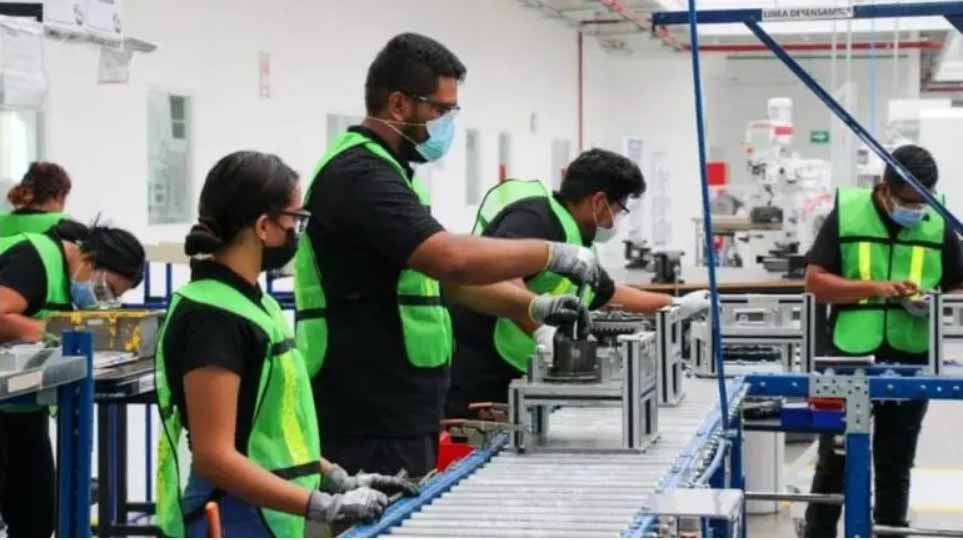
By sector, services accounted for 26.6 million people (44.1 percent); commerce, 12.4 million (20.5 percent); manufacturing, 9.5 million (15.7 percent); and agriculture, livestock, forestry, hunting, and fishing, 6.4 million (10.6 percent).
Construction employed 4.7 million people (7.8 percent); and other economic activities—mining, electricity, water, and gas supply—accounted for 378,000 (0.6 percent), while 421,000 (0.7 percent) did not specify their occupation.
Compared to December 2024, the sectors with the largest increases in employment were trade, with 852,000 more people employed; agriculture, livestock, forestry, hunting, and fishing, with 501,000; and restaurants and accommodation services, with 353,000.
The sectors with the largest decreases were social services, with 300,000 fewer people employed, and manufacturing, with 238,000 fewer.
abo/jav/mem/las