








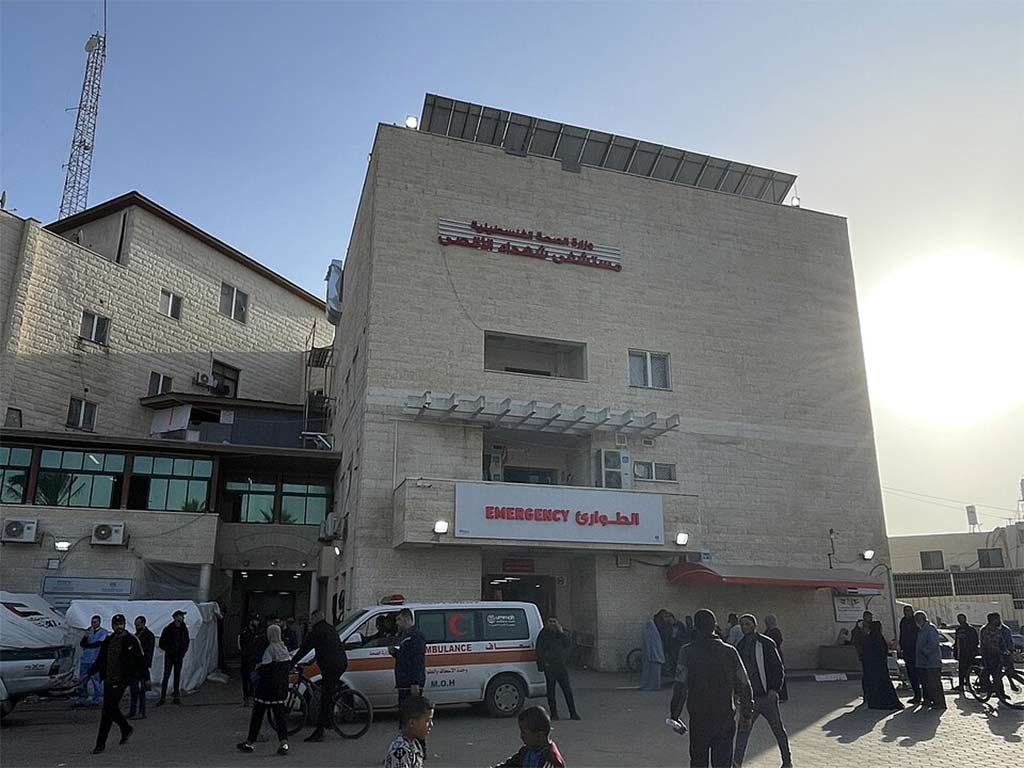
The hospital administration noted that the first generator was stopped three months ago, and now the second, in both cases due to a lack of “oils and spare parts available to repair and operate them safely and sustainably.”
Now the facility is only operating with two small generators, in extremely fragile operating conditions that do not guarantee the stability or continuity of medical services, it stressed.
This situation “exposes the lives of hundreds of patients, the wounded, and medical staff to serious risks, especially in intensive care units, nurseries, operating rooms, and other vital departments,” it warned.
The crisis could escalate at any moment into a complete shutdown of the facilities, which would trigger a new humanitarian and health catastrophe for the sector, it stressed.
This month, Ismail Al-Thawabta, head of the government’s media office in Gaza, accused Israel of causing an unprecedented health crisis in the territory as a result of the aggression and the blockade on the entry of medicines.
Israel only allowed the entry of a mere 42% of the trucks loaded with aid after the ceasefire came into effect on October 10 of last year, he emphasized.
As an example, he cited that from January 15 to February 7, only 5,831 vehicles arrived, out of the 13,800 planned.
He revealed that they lack 46% of the essential medicines, 66% of medical supplies, and 84% of laboratory materials and blood bank supplies.
He also described the medical services as merely formal and very limited because they do not guarantee the continuity of aid.
The situation in Gaza represents a clear humanitarian crime, and the continuation of this reality is a flagrant violation of international law that places the entire world under moral responsibilities, he stated.
abo/arm/jha/rob