








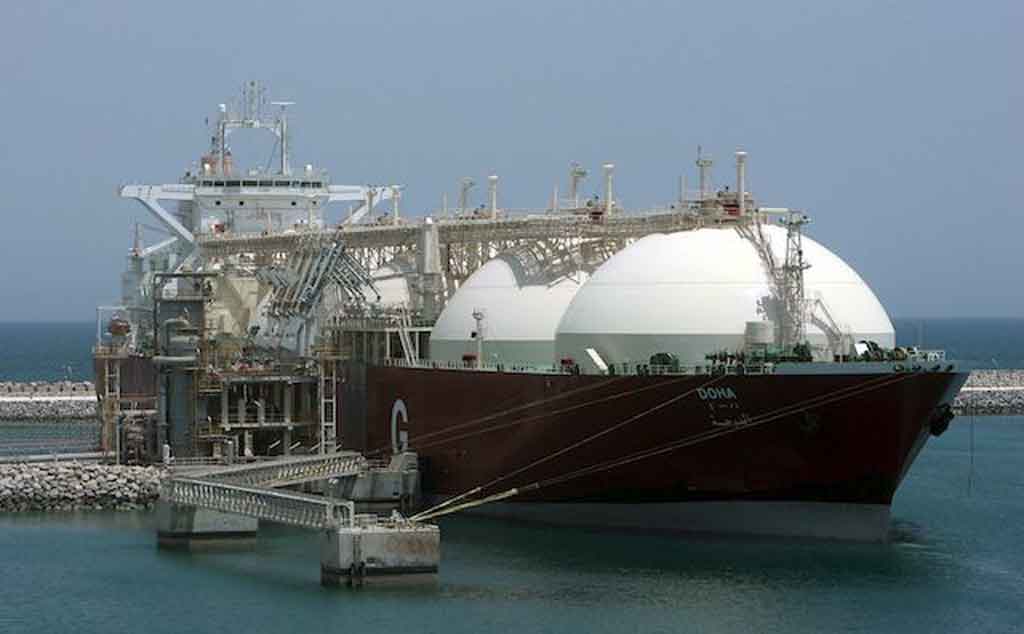
According to a recent report by the administrator of the interoceanic waterway, Ricaurte Vazquez, the project is moving towards its definition phase, together with the bidding of new ports and the construction of the water reservoir in the Indio River.
These works are part of the Canal’s diversification and infrastructure strategy to sustain its competitiveness, he said.
Vazquez said that on September 18, a first approach to the market will be made, specifically with the industry, to present the physical definition of the gas pipeline project.
He added that the preliminary design of the project includes the proposal of terminals in the Atlantic and the Pacific, as well as the route of the pipeline and the estimated capacity of fuel transportation.
According to the official, 95 percent of the gases or fuels exported from the United States to the Asian market transit through the Canal, and this volume could double in the next decade, from around one million barrels per day to 2.5 million barrels.
In this regard, he highlighted Japan’s role as a key player in the market: between 30 and 32 percent of the Japanese energy matrix depends on fuels that pass through Panama, he said.
jdt/jav/jcm/ga