








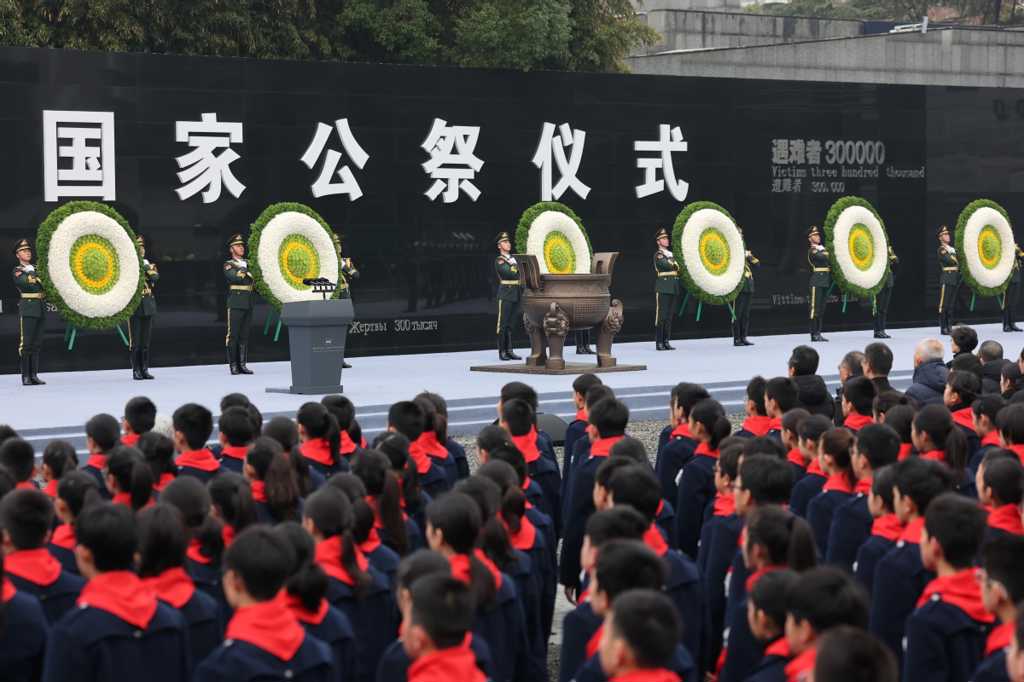
The national ceremony takes on greater significance amid diplomatic tensions with Japan and Beijing’s accusations of a resurgence of militarism in the neighboring nation.
Passersby and citizens in general kept silent throughout the city to remember the victims, while the fallen ones were also remembered at several memorial sites and museums in other regions of they country.
Amid the diplomatic crisis with Tokyo, Foreign Ministry Spokesperson Guo Jiakun reiterated Japan’s rejection of Prime Minister Sanae Takaichi’s recent statements on Taiwan and noted growing concern over attempts to reinterpret history.
Japanese invaders captured Nanjing, then the capital of China, on December 13, 1937, and killed more than 300,000 civilians and unarmed soldiers over six weeks.
This event still weighs heavily on the city’s residents, even though the local University has conducted peace research to promote reconciliation, which led to Nanjing being designated an International City of Peace by UNESCO (United Nations Educational, Scientific, and Cultural Organization).
jdt/iff/jha/idm