








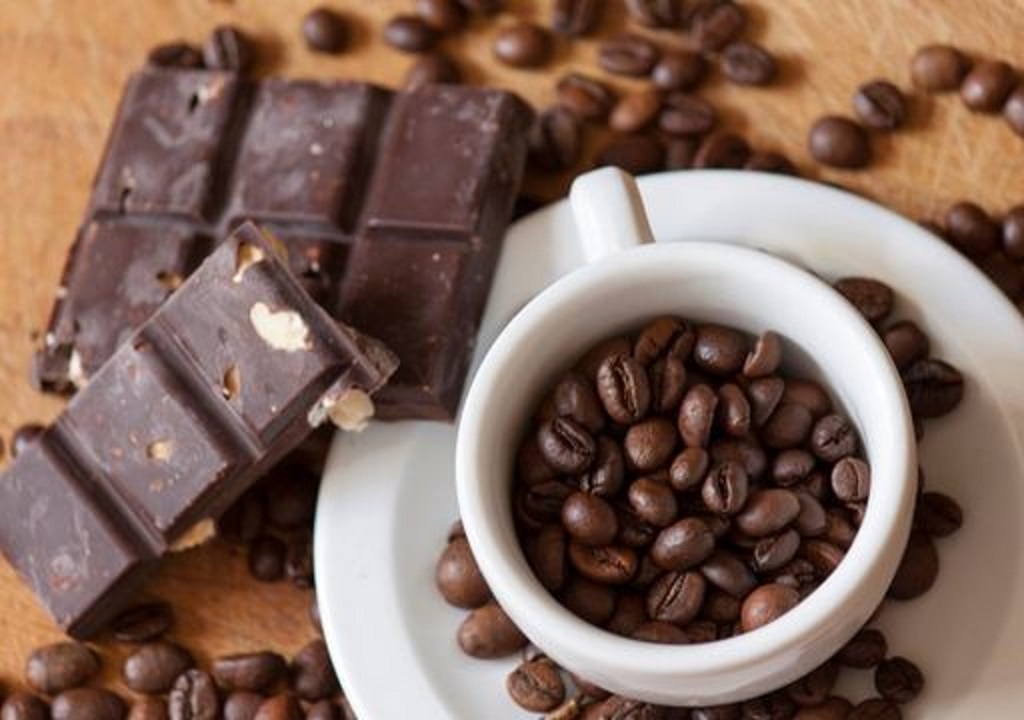
A new FAO study examines how crises affect global coffee, cocoa and tea markets, which “have recently experienced large fluctuations, exacerbated by structural vulnerabilities”, pointed out a note released by the press office of that international body.
According to the report on “Price dynamics in global beverage markets: trends, drivers and consequences,” current short-term real price movements are predominantly driven by changes in supply and demand conditions.
One factor that plays an important role in this problem is the fact that global production of coffee, cocoa and tea is concentrated in a relatively small group of countries.
Brazil and Vietnam represent almost half of the global production of coffee, while five countries supply around 65.0% of total exports.
Moreover, cocoa production is even more concentrated, with Côte d’Ivoire and Ghana accounting for over two-thirds of global supply, while China accounts for half of the tea traded globally.
International coffee prices rose from 2021 and 2022, owing to droughts in Brazil and bad weather in Colombia, before reaching record highs in early 2025 amid climate-related production losses in Vietnam and Indonesia.
Cocoa prices, for their part, rose in 2023 and 2024 following a decline in production in Côte d’Ivoire and Ghana, owing to adverse weather and plant diseases.
abo/mnm/or