





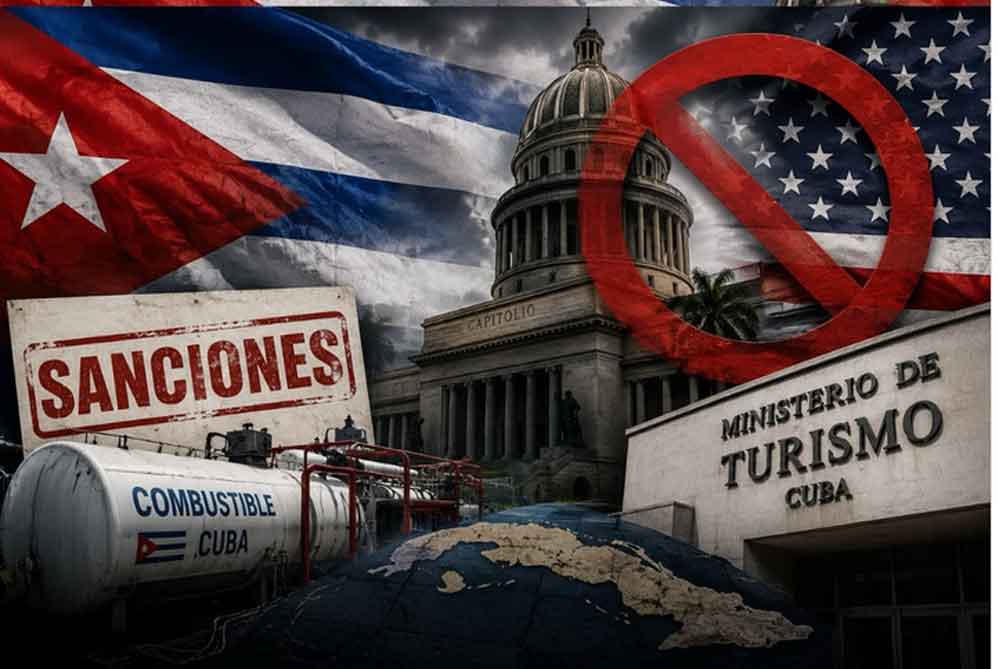
These measures now also target the private sector and create obstacles for travel to the island—travel that was already limited—but the solidarity movement with Cuba in the United States will continue to organize in defense of the country’s right to self-determination, activist Cheryl LaBash told Prensa Latina.
“It’s time to put an end to the oil blockade and the entire web of lies, laws, and executive orders that constitutes the US blockade,” said the co-chair of the National Network on Cuba, a coalition comprising more than 60 groups and organizations.
LaBash urged those who oppose these strangulation policies to contact their representatives and senators in the federal Congress and demand that they support bills HR7521 and S136 (the US-Cuba Trade Act).
She also called on people to join the NoWaronCuba.com campaign to find ways to show solidarity with the Caribbean nation during the Week of Action, running from October 24 to 31.
These activities will coincide with the presentation of Cuba’s report on the need to end the US economic, commercial, and financial blockade against the island at the UN General Assembly.
The Department of the Treasury amended the Cuban Assets Control Regulations (CACR)—in effect since July 1963 under the Trading with the Enemy Act—to implement President Trump’s Executive Order 14404 of May 1, which expanded sanctions aimed at cutting off Cuba’s right to international trade.
jdt/ga/dfm