







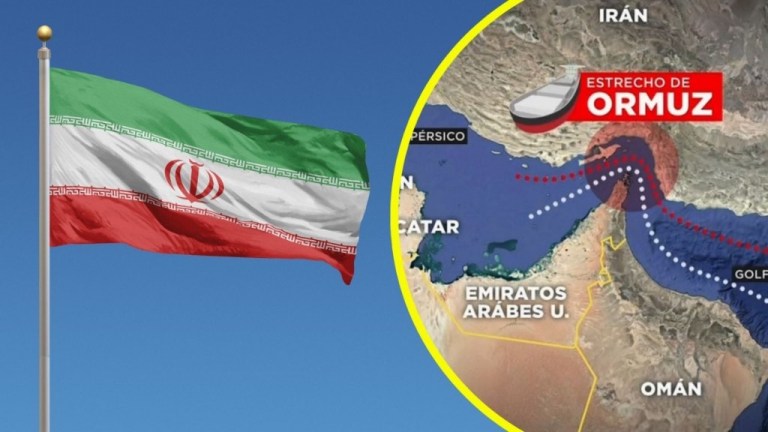
This decision was declared by Iranian forces amid an unprecedented escalation of conflict in the Middle East.
The corridor, through which 30% of the world’s seaborne oil and one-fifth of its licensed natural gas transit, was blocked after missile and drone attacks against civilian vessels, causing panic in energy markets and an immediate 45% increase in the price of crude oil.
The world’s largest shipping companies, including Maersk, MSC, and COSCO, have suspended all operations in the Persian Gulf, redirecting their fleets to alternative routes such as the Cape of Good Hope, adding up to 25 days to the voyage and millions of dollars in logistical costs per shipment.
The humanitarian situation is also rapidly deteriorating.
It is estimated that more than 300 merchant ships remain stranded in ports in the United Arab Emirates, Qatar, and Bahrain, with crews cut off from communication and perishable supplies rotting.
The International Maritime Organization (IMO) convened an emergency meeting in London, while the US Navy deployed an aircraft carrier strike group to attempt armed escorts, a move Iran called a casus belli.
Analysts warn that the shutdown could last for months without a diplomatic agreement, which would trigger global inflation and lead to shortages of fuel and manufactured goods in Europe and Asia.
abo/arm/ft/rfc