







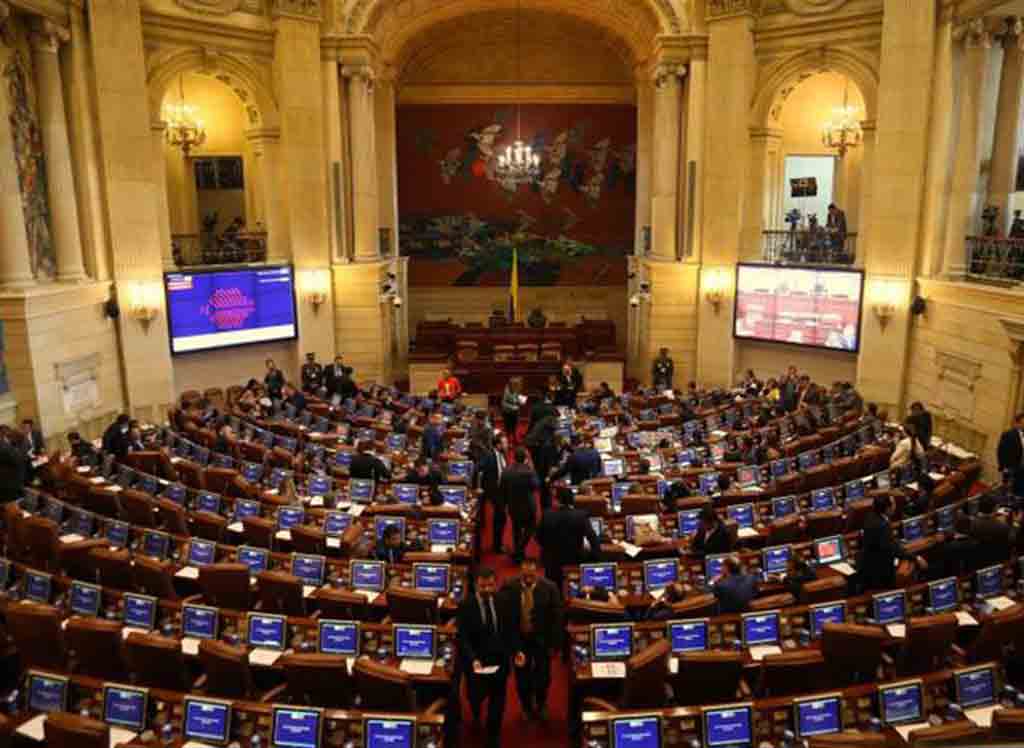
The text, which received the approval of the senators and will be discussed in the plenary session of that body, set forth that work during the night shift begins at 7:00 p.m., but retained the 100 percent Sunday and holiday surcharge in its wording.
One of the most controversial points was that of the contract regulations for students of the National Learning Service, who would now receive remuneration of 75 percent of the minimum wage during the academic phase and 100 percent during the practical stage. Meanwhile, the country’s president, Gustavo Petro, commented at a Council of Ministers meeting held at the same time as the commission’s deliberations that, despite this event, the call for a referendum, triggered by the obstacles faced in the legislature over labor reform, remains in place.
The following day started a 48-hour national strike called by Colombia’s United Workers’ Central Union, whose president, Fabio Arias, emphasized that the goal of the drives was to tell “the Senate of the Republic that it cannot continue legislating against the working class and the people”, and to demand the approval of the referendum.
Later, they released a stamen to decry the Fourth Commission which betrayed workers’ aspirations, something they considered a regressive law that dismantles historically achieved labor rights, and that the union and social movements will fight to prevent it.
abo/jdt/arc/ifs