








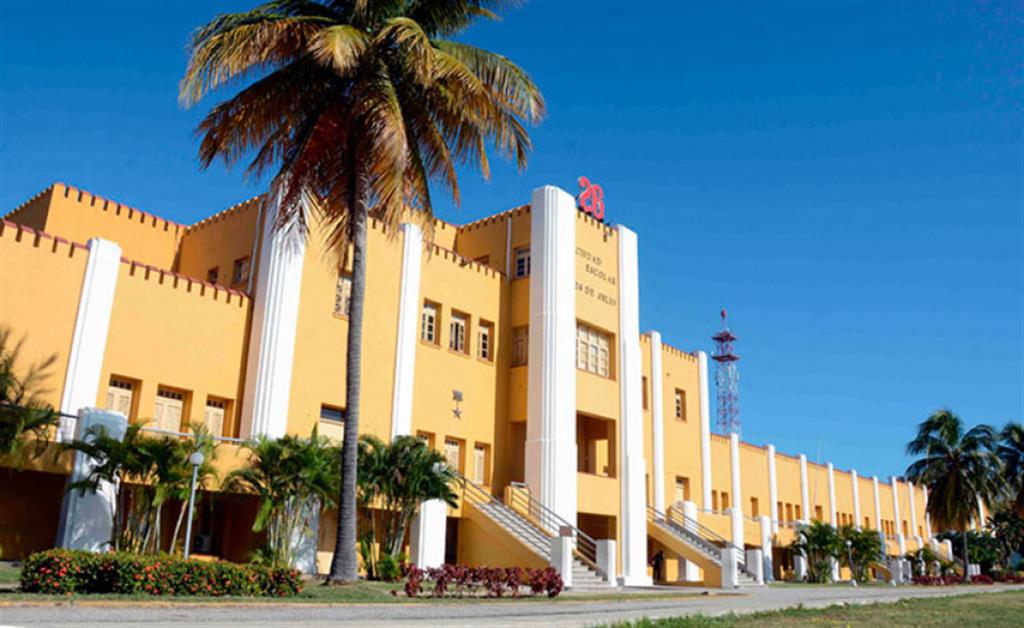
Most participants in those events, which spread beyond history books, stories from protagonists, and the popular imagination, aged between 17 and 30 years in 1953.
Led by Fidel Castro, the youth group sought, through arms, to connect their vilified nation with the dreams of social justice and definitive independence, raised a century earlier by National Hero Jose Marti and the patriots of that time.
The country faced a dire situation in essential areas such as health, education, and employment.
Ordinary Cubans lacked the essential means of support, and the poorest suffered all kinds of abuse and harassment.
The attack of the leading fortress in Santiago de Cuba, and that of Bayamo, the alleged supplier of reinforcements to the government troops, sought to unleash the armed struggle against the dictatorship of Fulgencio Batista (1952-1958).
The feat, marking 72 years this Saturday, is remembered by new generations through the pages of books, anecdotes, visits to museums, testimonies from prominent figures, and daily efforts to maintain the achievements.
jdt/iff/jha/lld