








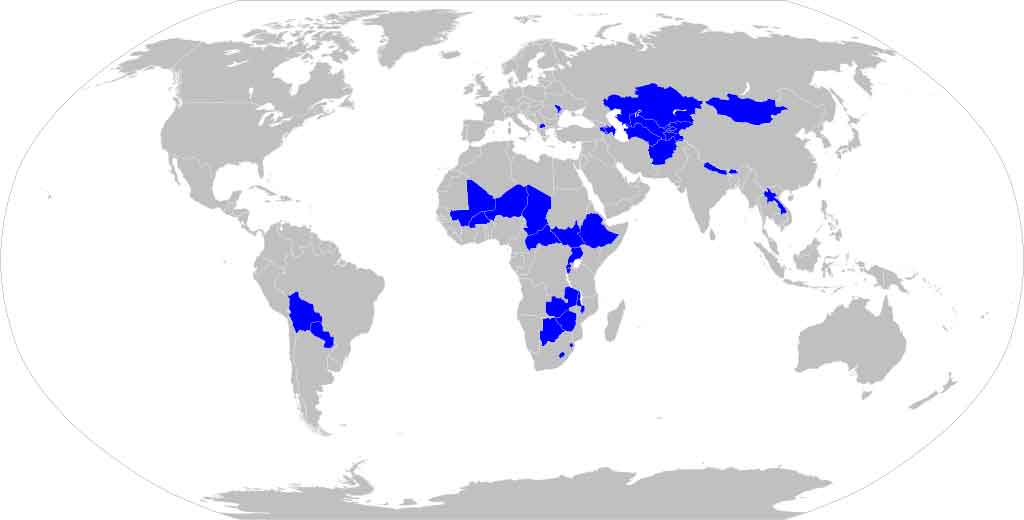
Speaking at the Third UN Conference on the subject, Guterres also cited high transport costs and limited access to global markets. Geography often limits opportunities and entrenches inequality. Many nations are highly vulnerable, dependent on commodity exports, exposed to volatile prices and constrained by limited economic bases, he said.
Meanwhile, debt burdens are rising to dangerous and unsus- tenable levels. One third of these states face vulnerability, insecurity or conflict.
Despite constituting seven percent of the world’s population, they account for little more than one percent of the economy and trade, a clear example of the deep inequalities that perpetuate marginalization, he added.
Guterres reiterated the need to reform “an unjust global economic and financial architecture, inadequate to the realities of today’s interconnected world, compounded by systemic neglect, structural barriers and, in many cases, the legacy of a colonial past.”
jdt/jav/mem/gas