








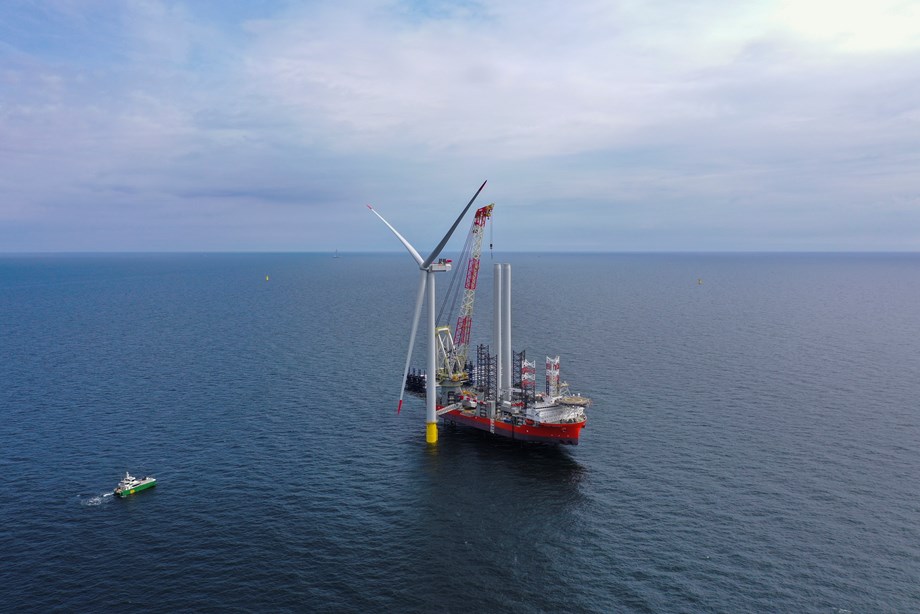
The 120-meter towers, capable of supplying electricity to 1.5 million homes, will also function as maritime and aerial monitoring platforms, sources close to the project confirmed.
Julian Pawlak, a researcher at the Military University of Hamburg, explained that the North Atlantic Treaty Organization (NATO) has been evaluating the use of energy infrastructure for strategic purposes for years.
However, according to Pawlak, similar preliminary projects involving oil platforms failed due to cost.
It remains to be determined whether civilian operators will have access to the collected data, Pawlak noted.
According to the outlet, former military personnel are involved in the design of Baltic Power to ensure compatibility with NATO systems. These facilities currently include anti-collision sensors for birds and transponders for submarines.
The initiative comes as NATO strengthens its eastern flank following tensions with Russia. The park, operated by PKN Orlen and Northland Power, is expected to begin testing in 2026.
jdt/arm/mem/am