








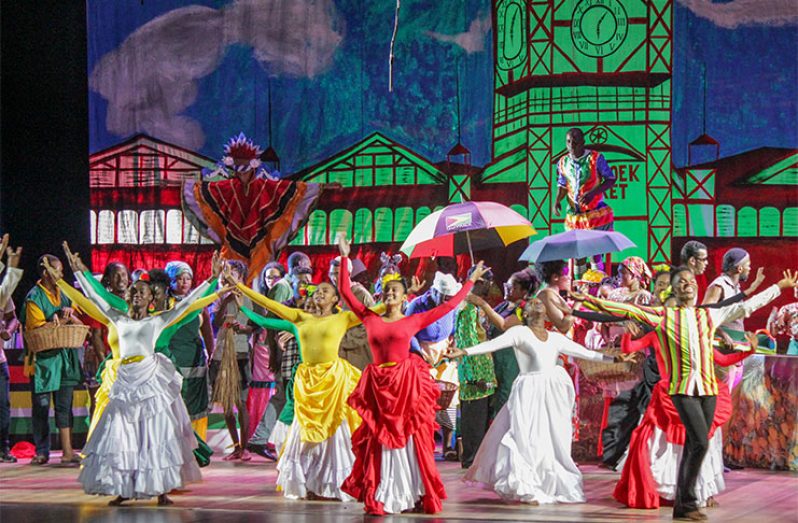
Its first edition in 1972, held in Guyana, brought together artists, musicians, and writers from more than 30 countries in the region and constituted a milestone in the consolidation of a shared identity among nations with origins in the processes of colonization.
The Festival rotated through emblematic venues such as Jamaica (1976), Cuba (1979), and Trinidad and Tobago (1992, 2006), and impacted as a symbol of resilience and diversity.
Each edition honors the roots of the Indigenous, African, European, and Asian peoples that weave the Caribbean tapestry, from Jamaican reggae to Haitian rhythms, Trinidadian calypso, street performances, literary debates, ancestral rituals, Martinican poetry, and Cuban son.
The event that has great historical significance, is a space for anti-colonial dialogue, in which the Caribbean reaffirms its unique voice, in the 1970s, it served to strengthen independence movements and today serves as a platform against cultural homogenization.
As a hallmark of identity, Carifesta embodies Caribbeanness: joy, creativity, and pride in its native heritage. It is not just a festival; it is a political event, a cry for existence.
This event, taking place between August 22 and 25 in Barbados, “is a tribute to the resilience and creativity of our people. We invite the world to vibrate with the Caribbean soul,” as in its 50 years, Carifesta has inspired generations to preserve their heritage while embracing modernity, proving that the Caribbean is not just a map, but a heart that beats to the rhythm of the steelpan, son, and tambor.
jdt/mem/ohh.