








“If there was an event in the 20th century that will forever mark that history,” it is this one, “which marks the course of its destiny, and whose value is measured by its relevance, because it does not leave us indifferent, as if it were a distant event in space and time,” wrote the intellectual in a newspaper article on Fidel’s centennial.
The intellectual and former Minister of Culture praised “the relevance and presence of the greatest revolution carried out by the peoples of the imperial periphery in that time,” in a specialized commentary addressed to the “Embrace Cuba” campaign, led by intellectual and former Prensa Latina correspondent in Costa Rica, Rafael Ugalde.
“Because there are facts of facts. Those that remain relevant,” he emphasized, “are those that are part of our fundamental values (…); we identify with them because of what they represent in our individual lives and in those of the people, wherever they may be geographically located and whatever their culture, political regime, and way of life.”
The academic remembered that the Caribbean revolution had “the specific purpose of defeating the bloodiest tyranny that emerged among those heroic people.”
“But, very soon, it transcended that dimension, declared itself a Latin Americanist and faithful to the ideals of its heroes: specifically, of Marti, who saw in Cuba’s independence from the Spanish colonial yoke the first step toward achieving its second and full independence, one that would break the chains that subjugated it to the Yankee empire.”
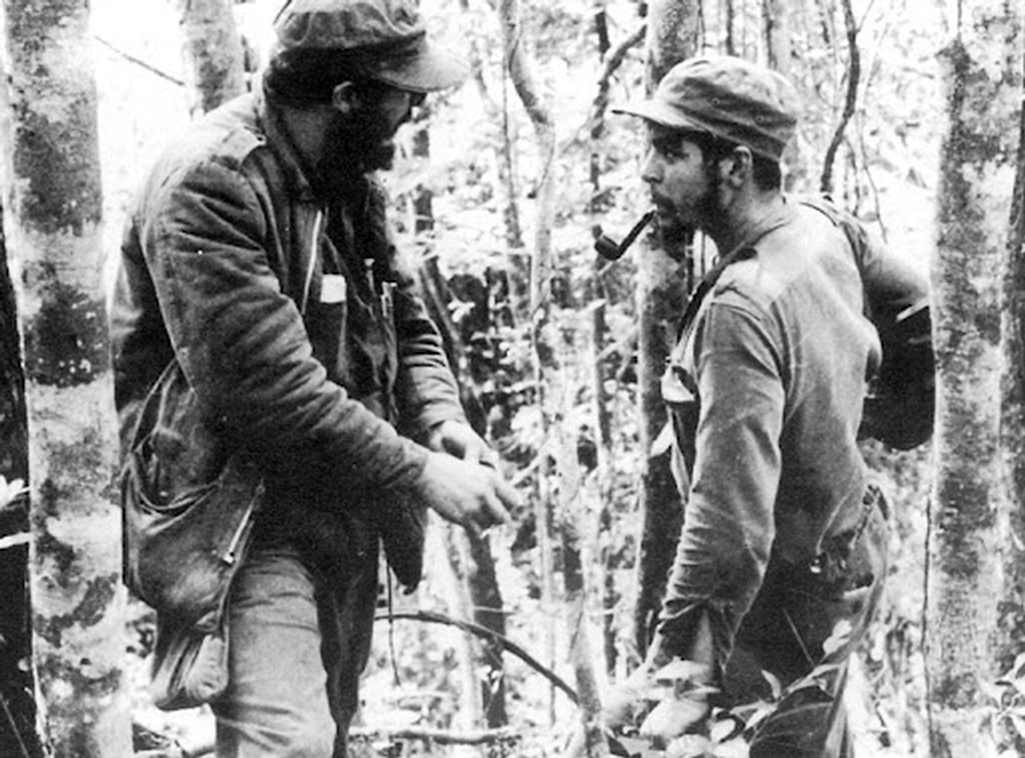
“The first great revolution of the 20th century, that of Villa and Zapata,” the scholar reflected, “took place in a country (Mexico) with extensive Caribbean coastline; but it would be in the second half of the 20th century that the most important revolution of the peoples of Our America would take place in that century, the revolution of Fidel and Che Guevara.”
“Since then, the echo of the Cuban Revolution has spread to the entire planet, as Nelson Mandela recognized when he told Fidel that he (Fidel) was ‘the Bolívar of sub-Saharan Africa,’ because the defeat of racist South Africa meant for those African peoples what the defeat of the empire at Playa Giron is for those of Our America,” he emphasized.
jdt/otf/apb