








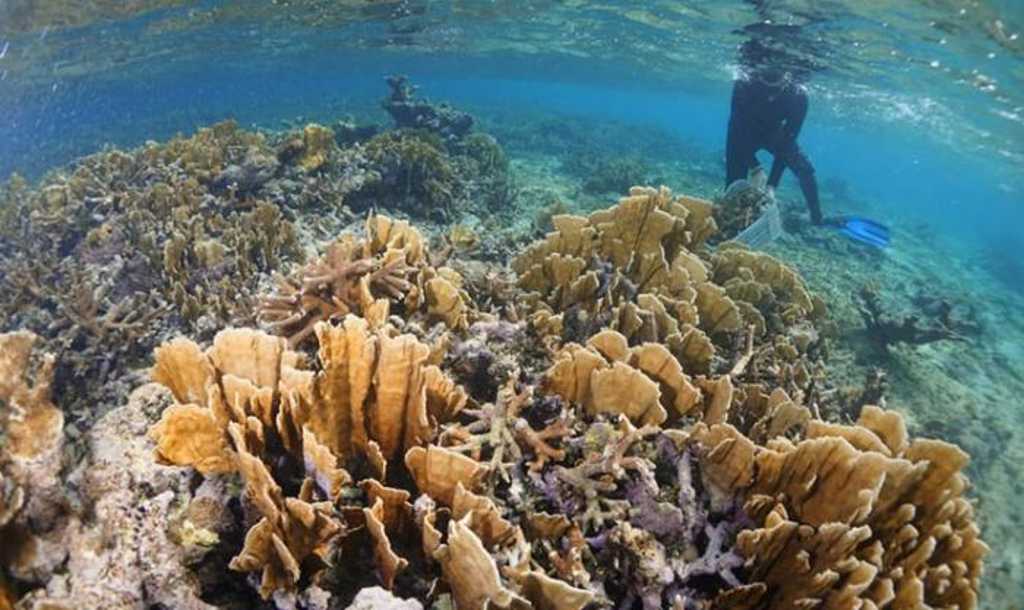
For the first time, using a unified methodology, researchers will present the results of their research, which not only provides crucial scientific data but also raises public awareness of the fragility and value of this ecosystem.
A key milestone in this process was the Circumnavigation of Cuba in the summer of 2023, a scientific expedition that included the participation of national and international institutions.
The study, which will be submitted to the Council of Ministers for approval, proposes a framework for a more responsible relationship with this habitat, informed decision-making, and more effective management that actively involves local communities, according to the Cubadebate website.
The leadership of Dr. Patricia Gonzalez Diaz, a researcher at the Center for Marine Research, has been fundamental to the development of this strategy, as has the years of dedication of numerous scientists and conservationists.
This effort is aligned with the State Plan for Confronting Climate Change (Tarea Vida), although it is acknowledged that progress has not been as rapid as desired.
The conservation of coral reefs is vital for the goods and services they provide, including the protection of coastlines from the onslaught of the sea—especially during extreme events—the support of high biodiversity, including commercially valuable species, and the generation of sand for the formation and maintenance of Cuban beaches.
jdt/ro/alb