







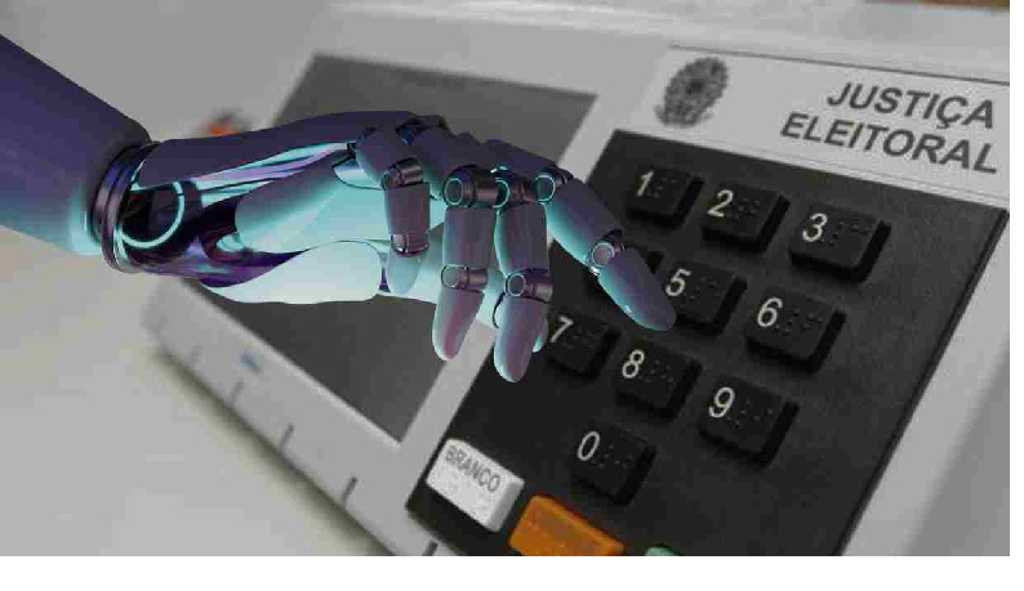
Since 2018, election campaigns have been plagued by a constant wave of fake news, and this phenomenon is compounded by the expansion of deepfakes (AI-manipulated multimedia content), capable of mimicking voices and images.
AI accelerated this process during 2025 with more accessible tools. The difference between reality and manipulation became increasingly difficult to discern.
“It was the year in which these tools experienced impressive growth,” cybersecurity expert Rodolfo Avelino assessed in statements to the radio station of the Brasil de Fato portal.
He noted that one of the challenges posed by this scenario is knowing how to distinguish the real from the fake.
The AI Regulation Bill (PL 2338, 2023), currently under consideration in the Chamber of Deputies, addresses the regulation of this technology in Brazil.
However, the initiative did not advance in 2025, a fact that Avelino attributed, among other factors, to corporate pressure surrounding the issue.
The professor also has low expectations for 2026. More structural policies are unlikely to be put to a vote.
He pointed out that “the law that emerges from this legal framework, PL 2338, which has been under discussion for approximately five years, will address some important factors, such as who controls them, who will be responsible for the impacts generated, and, above all, who will benefit economically.”
abo/arm/mem/ocs