







The National Union of Educators (UNE) stated that this decision by President Daniel Noboa constitutes a blow to public, community, and school transportation.
“While the government puts an end to diesel subsidy to move toward a more just Ecuador, the Noboa group stopped paying more than $70 million to the SRI (Internal Revenue Service),” the UNE said in a statement.
As of Saturday, the price of diesel in this South American nation rose from $1.80 to $2.80 per gallon, a measure with a negative impact on the population that only benefits private fuel importers, to the detriment of national production and the pockets of Ecuadorian families.
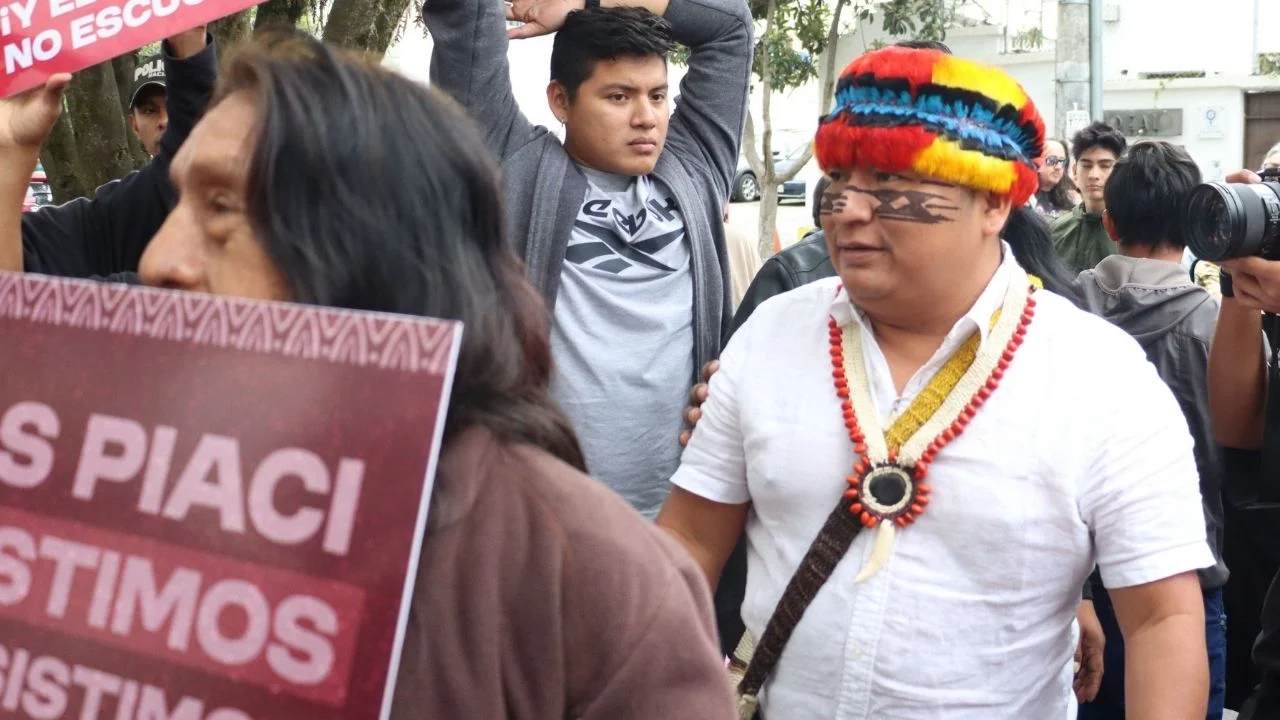
In this context, the UNE called on other organizations such as the Confederation of Indigenous Nationalities of Ecuador (CONAIE), the Popular Front, the United Workers’ Front (FUT), transportation sectors, and other groups to confront this package with unity, struggle, and organization.
The FUT already warned in a statement that the increase in fuel prices “will immediately be passed on to the prices of basic necessities” and criticized the government for deepening the crisis in households. The president of the Pichincha Land Transportation Federation, Carlos Brunis, announced that service will be paralyzed starting this Monday in the province where the country’s capital is located.
In addition to the transportation strike in Quito, organizational meetings of social groups are expected to define possible actions against the measure, despite the executive branch’s announcement of measures to mitigate the impact of the price change.
jdt/oda/avr