






The process of separation from the European metropolis was bloody and prolonged, and historians divide it into three stages: the Patria Vieja (Old Homeland) from 1810 to 1814, the Reconquista (Reconquest) from 1814 to 1817, and the Patria Nueva (New Homeland) from 1817 to 1823.
Unlike other countries in the region, where the end of the period is celebrated, the commemorations in Chile are framed within the beginning of the struggle for true autonomy.
While loyalty to King Ferdinand VII, then a prisoner of Napoleon’s troops who invaded Spain, continued at the beginning, the struggle radicalized in favor of a complete break, among them leader, Jose Miguel Carrera.
The royalists regained control of Chile over the next three years; independent leaders managed to reorganize and achieved decisive victories with the Army of the Andes, led by Jose de San Martin and Bernardo O’Higgins.
Independence from Spain was officially proclaimed on February 12, 1818, although fighting continued for longer.
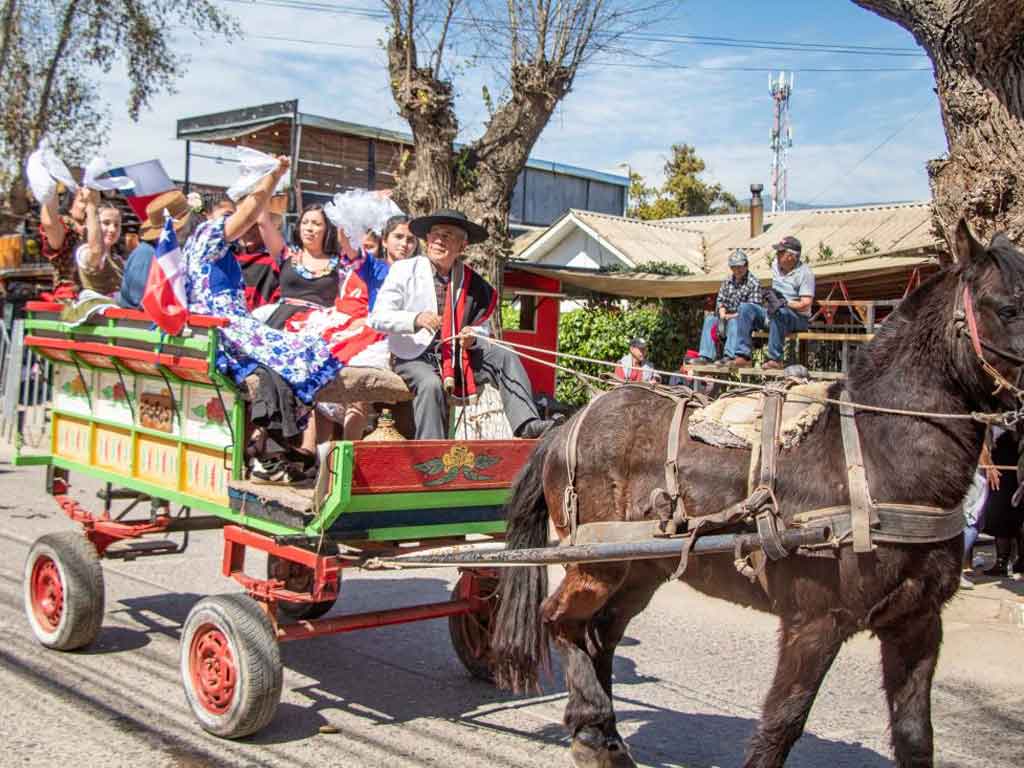
With popular traditions, Chileans commemorate these National Holidays in fondas, also known as ramadas, places where they consume traditional cuisine, dance cueca, the national dance, or listen to music.
abo/iff/npg/car/eam