








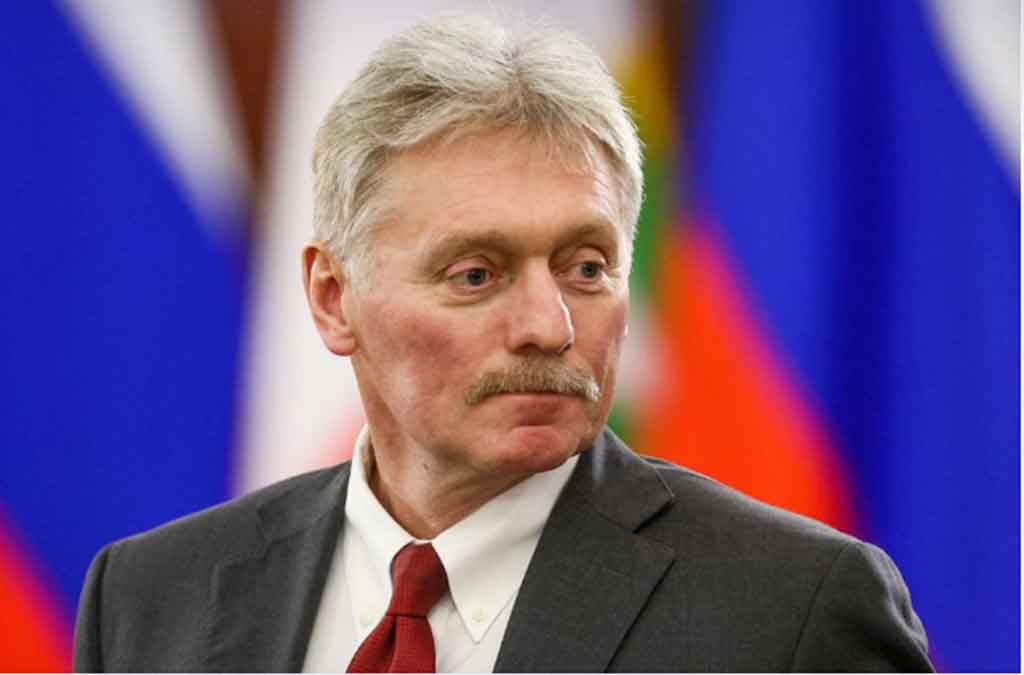
In this context, the spokesman, in an interview with RBC radio, described the agreement signed by the Russian gas giant Gazprom and the China National Petroleum Corporation (CNPC) earlier this month as “unprecedented.”
“An unprecedented agreement was signed, valid for many years, and it not only guarantees a good level of exports to our company, but will also be the driving force behind the development of Russian regions,” he noted.
On September 2, Gazprom signed a binding document with the CNPC for the construction of the Siberian Power 2 gas pipeline, which will transport 50 billion cubic meters of gas annually to China for 30 years through Mongolia.
The Siberian Power 2 project entails the construction of a gas pipeline approximately 6,700 kilometers long, of which 2,700 kilometers will pass through Russian territory, approximately 960 kilometers through Mongolia, and the remaining more than 3,000 kilometers through China.
Peskov did not rule out the possibility that other regions of the world could become prime markets for Russian energy resources.
Major Russian companies have intensified the reorientation of their energy exports from European markets to other regions, particularly Asian nations, amid the European Union’s economic war against Russia over the Ukrainian crisis.
jdt/arm/mem/gfa