








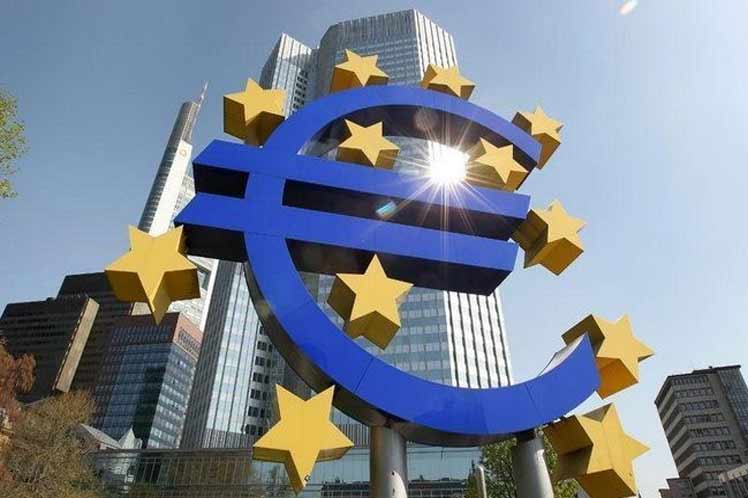
He said that the European Commission (EC) is going too far in relaxing securitization rules for banks, particularly for the most complex and potentially risky transactions.
Securitizations, whereby a bank bundles loans to companies or households and sells them to investors in the form of securities, were at the heart of the 2007-2008 global financial crisis. Europe has yet to fully recover from that meltdown.
In June, the EC proposed streamlining the rules governing that aspect to try to free up capital for lending and help Europe compete financially with the United States.
But the ECB, which oversees the eurozone’s biggest banks, says some of the proposed changes pose risks.
In its view, there is no intrinsic link between securitization and additional lending.
He also said that although the market for such is smaller in Europe than in the U.S., that did not reflect the rapid growth of synthetic securitizations in the EU.
Machado warned against the temptation of complex securitizations and opaque structures, and said that the new rules should support simpler, standardized and more resilient transactions.
jdt/jav/mem/rfc