








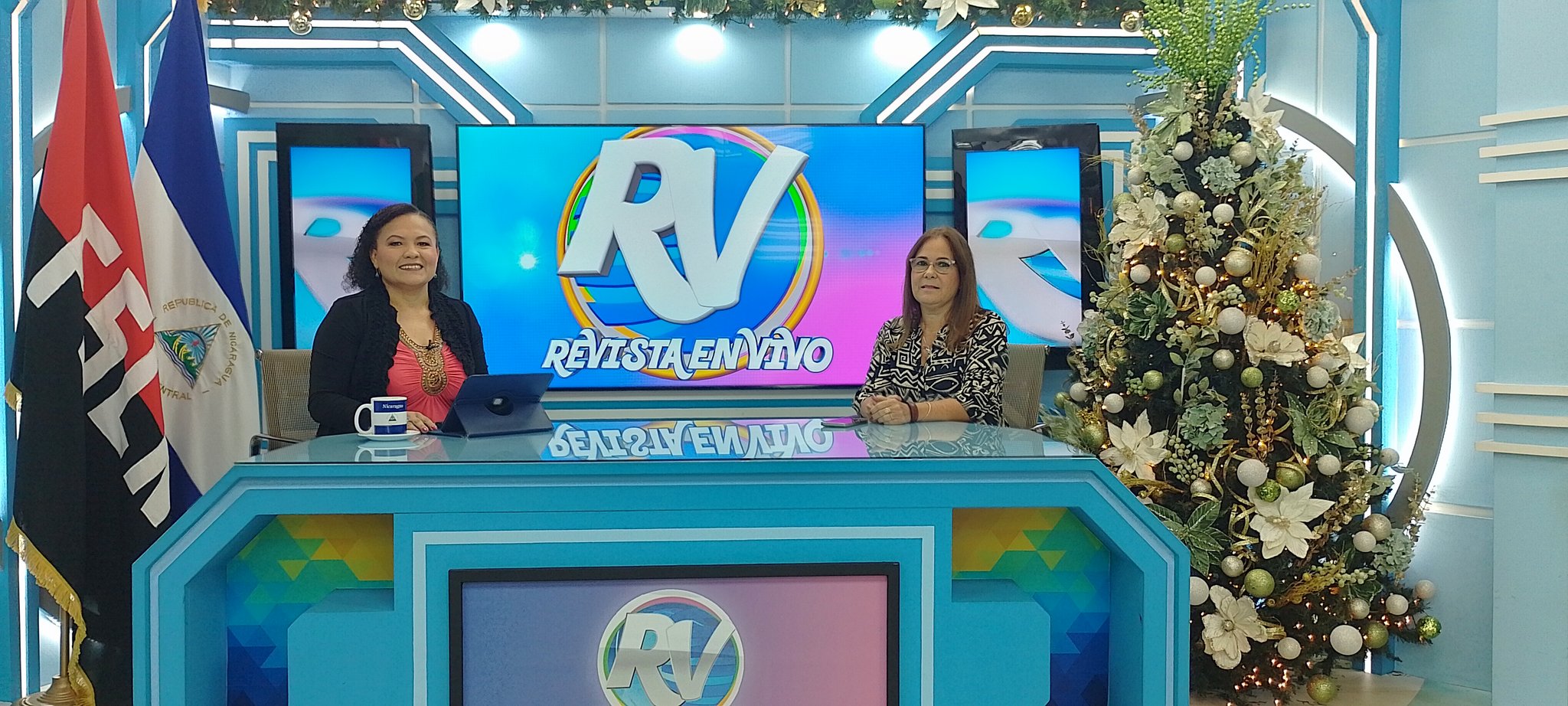
In an interview with Canal 4’s Live Magazine, Fonseca stressed that Fidel “takes pride in all of Latin America, the Caribbean and the world”, as his work went beyond national borders and became an example of a life devoted to social justice, to revolutionary transformation and the defense of peoples.
She recalled that this rebellious spirit and fighting vocation accompanied the Commander-in-Chief from his youth, first in high school and then during his university period, when he began to stand out for his sensitivity to injustices and his constant search for alternatives to improve the lives of the Cuban people.
This path, she added, led him to the process of struggles that culminated in the revolutionary triumph on January 1, 1959.
The diplomat recalled that already in his plea La Historia me absolverá, after the assault on Moncada in 1953, Fidel outlined the political and social program that would later inspire the transformative work of the Revolution.
“From then on, he continued to bequeath to our people a strategic project of changes in the economic, social, cultural, sporting and scientific-technical fields,” she said.
She also highlighted the internationalist projection of the Cuban leader, who conceived the Revolution not only for the benefit of his country, but as a contribution to solidarity in Latin America and the world.
The ambassador also highlighted the importance that Fidel attached to communication and the defense of the truth.
In that context, she said, Fidel made communication a fundamental tool of battle, while valuing the role of Prensa Latina as an agency created to provide truthful information about Cuba and the region, a work that becomes more relevant in times of growing disinformation campaigns.
SHe pointed out that the communicational battle continues today in the digital sphere, where social networks become an essential space to dismantle false news and show the reality of the island.
On the other hand, the diplomat also denounced the impact of the blockade imposed by the United States for more than six decades ago, which she called “cruel and genocidal”.
The ambassador concluded that the resistance of the Cuban people and the validity of the Fidels’ legacy sustain the conviction that “the light at the end of the tunnel” will come with the collective commitment and the unwavering defense of the conquests of the Revolution.
abo/jha/ybv