








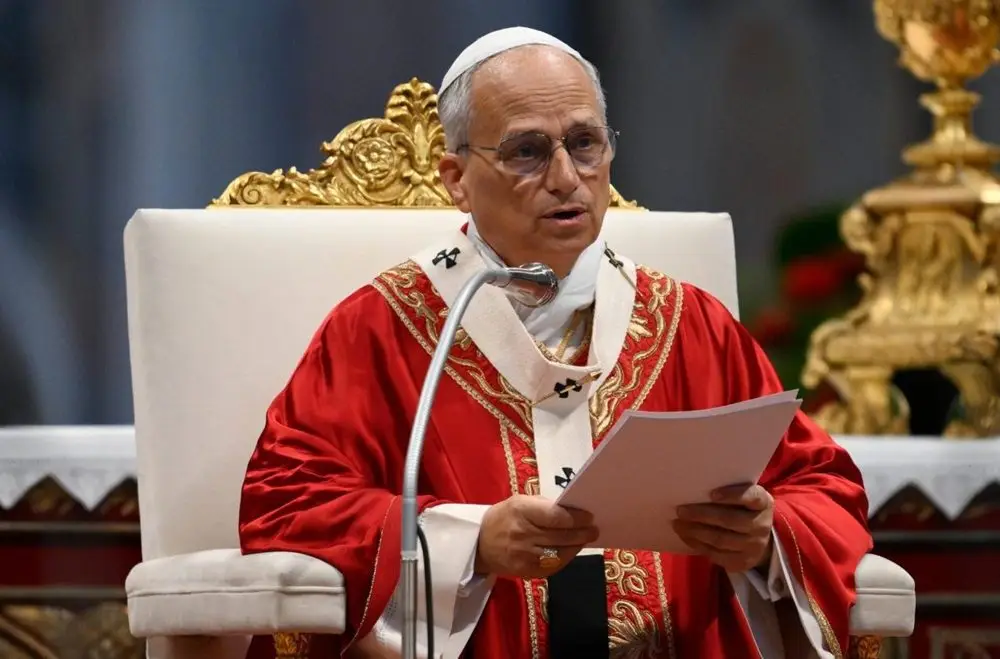
In his message to participants in the 44th Ministerial Conference of the Food and Agriculture Organization (FAO), which is in session in Rome until July 4, the Pontiff asserted that achieving the “Zero Hunger” goal of the United Nations 2030 Agenda is increasingly unlikely.
“This means that we are far from fulfilling the mandate that gave rise to this intergovernmental institution in 1945,” he said, referring to the FAO, adding that “despite international commitments to food security, it is regrettable that so many of the world’s poor continue to lack their daily bread.”
“Political crises, armed conflicts, and economic disruptions play a central role in worsening the food crisis, hampering humanitarian aid and compromising agricultural production,” he said.
He also referred to the “great influence of climate change, and vice versa,” and considered that “the social injustice caused by natural disasters and the loss of biodiversity must be reversed to achieve a just ecological transition that puts the environment and people at the center.”
“Financial resources and innovation technologies are diverted from the pursuit of eradicating poverty and hunger around the world to be used for the manufacture and trade of arms,” so “never before has it been more urgent than now that we become artisans of peace, working for the common good.”
In this regard, he added, “We must not forget that sooner or later we will have to explain ourselves to future generations,” and stressed on the need to “leave aside sterile rhetoric”, thus quoted Pope Francis, who tirelessly insisted on the need to smooth over “differences to foster a climate of collaboration and mutual trust for the satisfaction of common needs.”
abo/jdt/mem/ort