








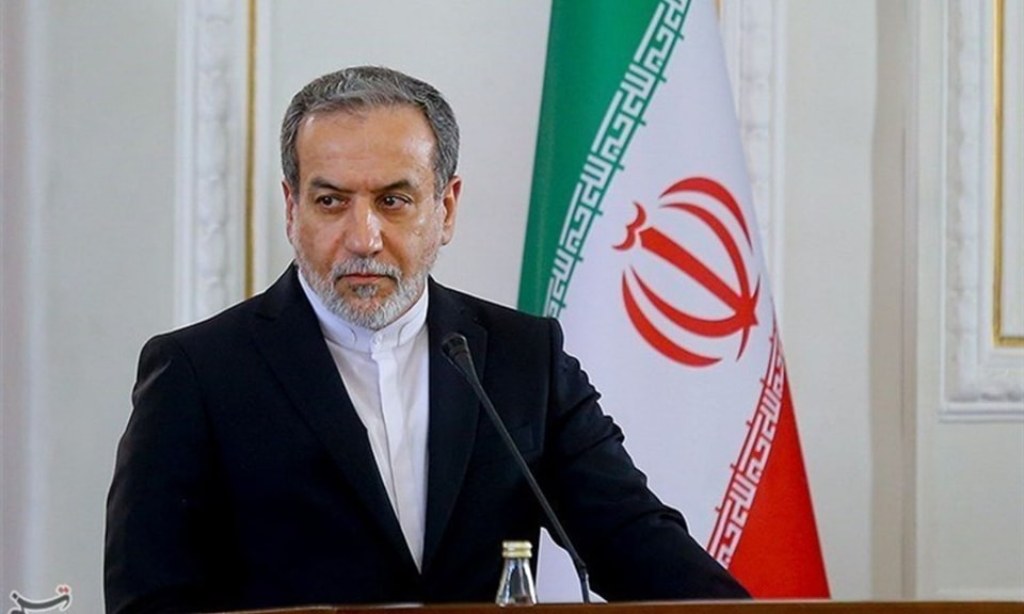
In a post on the social network X, the foreign minister stated that Tehran possesses intelligence regarding efforts to influence energy prices and keep US President Donald Trump involved in what he described as a “lost war.”
Araqchi further maintained that pro-Israel groups are promoting the continuation of hostilities by presenting—as he put it—an optimistic view of the conflict’s progress.
The head of Iranian diplomacy noted that the US public is beginning to feel the consequences of rising energy prices amidst restrictions on maritime traffic through the Strait of Hormuz.
Trump had previously stated that this strategic waterway remains under US control and that oil tankers continue to transit it, despite restrictions imposed by Iran.
Data from maritime tracking companies indicate that only five commercial vessels crossed the Strait of Hormuz on August 25, and four did so the day before, compared to approximately 120 ships daily prior to the start of the conflict.
According to figures from the US Energy Information Administration, the average price of a gallon of regular gasoline hovered around $2.90 before the war.
Following attacks launched by the United States and Israel against Iran on February 28, Brent crude surpassed $120 per barrel, and the average price of US gasoline reached approximately $4.60 per gallon in May.
jdt/to/fm