Saturday, January 17, 2026
name of Prensa Latina
Bandera inglesa
English Edition
Search
Close this search box.
name of Prensa Latina

NEWS

SCIENCES

Washington, Feb 2 (Prensa Latina) Johns Hopkins Medicine researchers have further documented an association between a substantially higher risk of maternal morbidity and mortality among those with the inherited blood disorder sickle cell disease (SCD) compared to those without it.
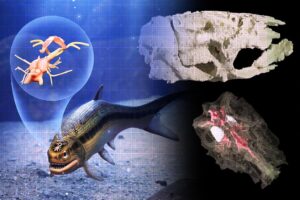
London, Feb 1 (Prensa Latina) The CT-scanned skull of a 319-million-year-old fossilized fish, pulled from a coal mine in England more than a century ago, has revealed the oldest example of a well-preserved vertebrate brain.
Washington, Feb 1 (Prensa Latina) Computer and information science experts at the Rochester Institute of Technology on Wednesday said artificial intelligence (AI) will drastically change jobs in education, finance and graphic design.
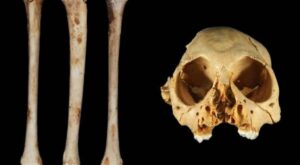
Washington, Jan 25 (Prensa Latina) Researchers at the University of Kansas found fossils of two species of tree-dwelling relatives of primates that lived in the Artic 52 million years ago when the climate was about 13oC warmer than today.
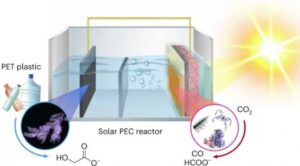
London, Jan 9 (Prensa Latina) Scientists at the University of Cambridge have developed a system that may transform plastic wastes and greenhouse gases into sustainable fuels and other valuable products by using just solar energy, Nature Synthesis published Monday.
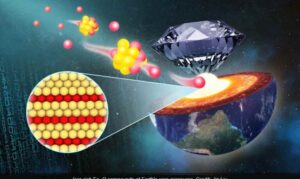
Washington, Dec 13 (Prensa Latina) A scientific study revealed that oxygen, a key substance for life and one of the most abundant in Earth, may be present in the solid inner core, which is composed of nearly pure iron and where extreme high pressure and temperature conditions prevail, The Innovation magazine reported on Tuesday.
Stockholm, Dec 9 (Prensa Latina) Researchers at the KTH Royal Institute of Technology have managed to harvest energy by taking advantage of what happens naturally when wood is put into water and it evaporates.
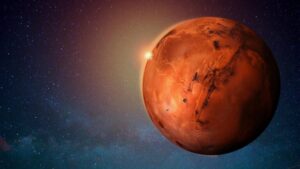
Washington, Dec 1 (Prensa Latina) A Martian megatsunami may have been caused by an asteroid collision similar to the Chicxulub impact—which contributed to the mass extinction of all non-avian dinosaurs on Earth 66 million years ago—in a shallow ocean region, according to a study published in Scientific Reports.